
When parents ask “What should my child learn first in swimming?”
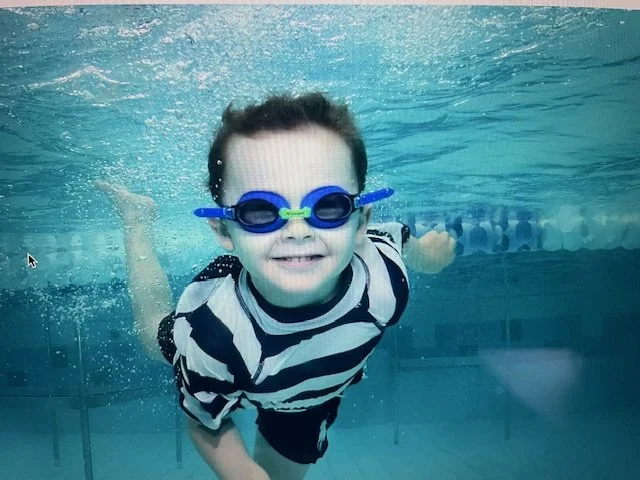
What swim skills should a child learn first?
When parents ask “What should my child learn first in swimming?” they often expect a stroke front crawl, backstroke, kicking or the ability to swim a certain distance. But the real answer is deeper.
Swimming isn’t just about technique it’s about a child’s relationship with water. Long before strokes, children need to develop confidence, safety awareness, breath control, balance and basic aquatic competence. This isn’t just a coaching preference it’s what swim-education bodies and safety guidelines around the world prioritise.
Safety and Water Familiarity Come First
The first skills a child needs aren’t sporty they are lifesaving skills and water confidence.
Organisations like the Royal Life Saving Society UK emphasise teaching children basic water safety skills such as safe entry and exit from the water, staying afloat and moving through the water safely. These foundational abilities are critical before technical strokes are introduced. For example, knowing how to climb out of a pool safely or how to maintain buoyancy in unexpected situations improves a child’s water safety behaviour and may help reduce the risk of drowning.
The Evidence Behind Basic Skills Training
Research supports the idea that basic swim skills and water safety training improves competence and awareness in children. A 2021 World Health Organisation guideline and its supporting evidence review found that swim training combined with water safety education can increase children’s aquatic skills and knowledge, and is recommended for drowning prevention. While these studies can vary in quality, the overall conclusion is consistent: introducing water skills early before formal stroke technique matters for safety and long-term comfort in water.
Water Fundamentals: What Trusted Frameworks Recommend
National swimming frameworks such as the Swim England, Learn to Swim Framework outline the core water skills children should develop first well before strokes are prioritised. These include:
Safe entry and exit;
Floating and balance;
Rotation and orientation;
Aquatic breathing;
Water safety knowledge.
These foundational skills build a child’s confidence so they can progress to coordinated movement, rotation and eventually skilled locomotion in water.
Learning Breath Awareness
Proper breathing is one of the most important early swimming skills. Rather than teaching children to hold their breath, coaches encourage them to breathe out gently underwater and regain breath at the surface. This not only reduces fear but is foundational to effective stroke development later on.
Water Acclimation and Balance
Before strokes are introduced, a child must become comfortable with water contact on the face and head. Playful activities that expose them gradually such as bubbling, blowing air under water or gentle submersion help them associate water with calm, not fear.
Similarly, understanding balance and the support water can offer is crucial. In structured swim education, children work on floating and orientation learning to relax and let the water support their body before moving into forward propulsion.
Movement Through Water
Only when a child feels safe, calm and understands balance should gentle movement be introduced. This begins simply:
Gliding through water;
Gentle leg movements;
Whole-body coordination as confidence grows.
This progression is reflected in many swim programmes that place water familiarity ahead of formal stroke technique.
Why School Swim and Confidence Matter
Being able to swim confidently isn’t just a leisure skill it’s a life skill with real safety implications. National guides, including school curriculum recommendations, stress that learning to swim and how to stay safe around water are essential for all children. Unfortunately, surveys indicate that a significant number of children do not reach essential swim benchmarks by later childhood, showing the importance of both early aquatic foundation and consistent practice.
When Strokes Should Come In
Formal strokes (like front crawl or backstroke) are technical and require coordination that develops only after the basics are internalised.
Rather than forcing technique too early, children need:
Assurance of comfort in water;
Body awareness;
Breath control;
Understanding of balance.
When these are in place, strokes are learned faster, more efficiently and with far less fear.
A Thought for Parents
Progress in swimming is not measured by how early a child learns a stroke or how far they swim.
It’s measured by:confidence
ease in water
ability to manage themselves safely
That is the foundation of both skill and safety.
At Nager London, we prioritise how a child feels in the water before what they can perform. Because a child who feels safe first learns to swim with confidence for life.