
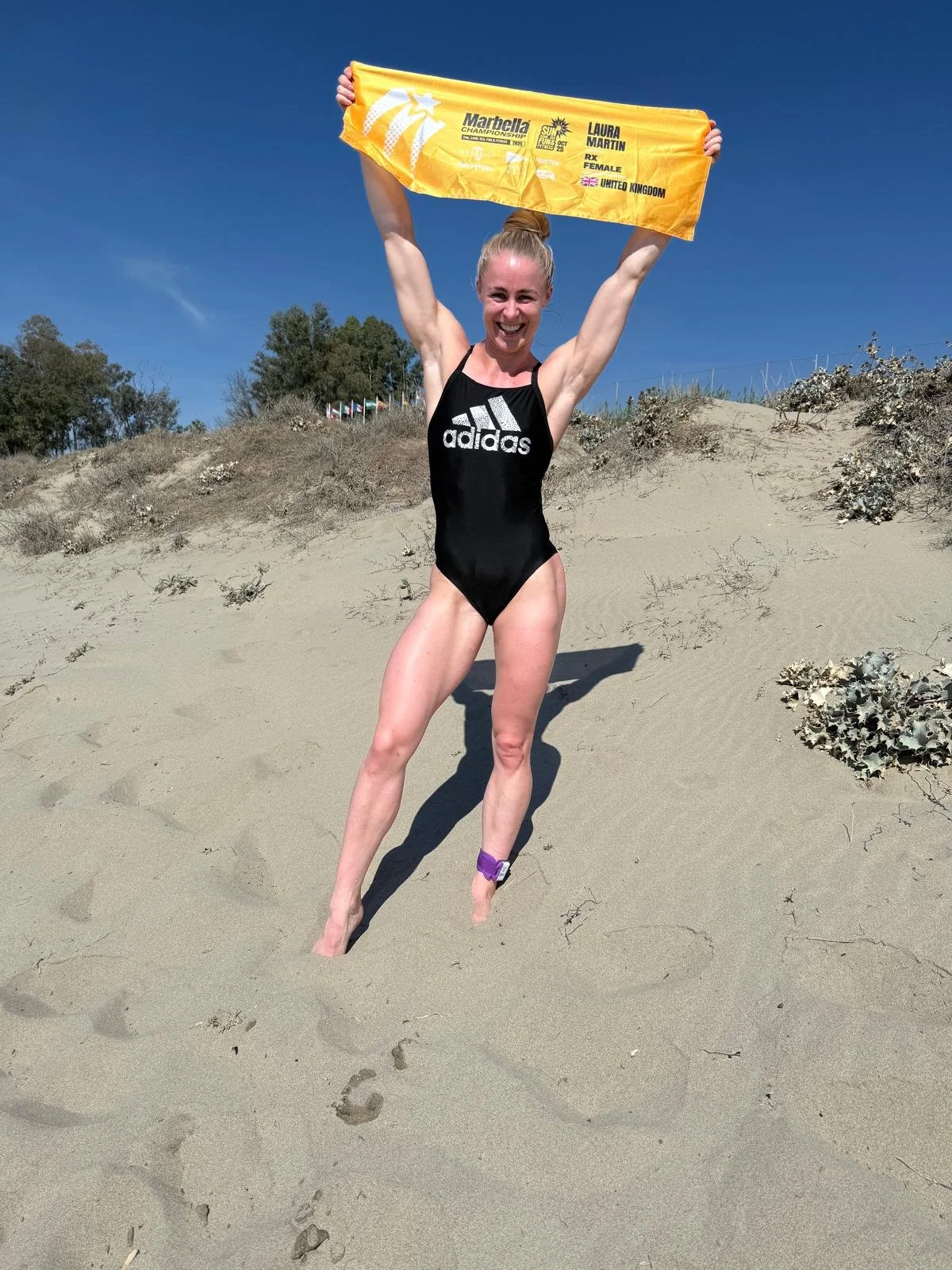
A New Kind of Strength: Preparing for Open Water Swimming
What happens when an accomplished strength and conditioning professional takes her expertise into the water? As Ms. Laura Martin prepares for open-water swimming, strength, technique and body awareness come together in a different expression of physical performance.
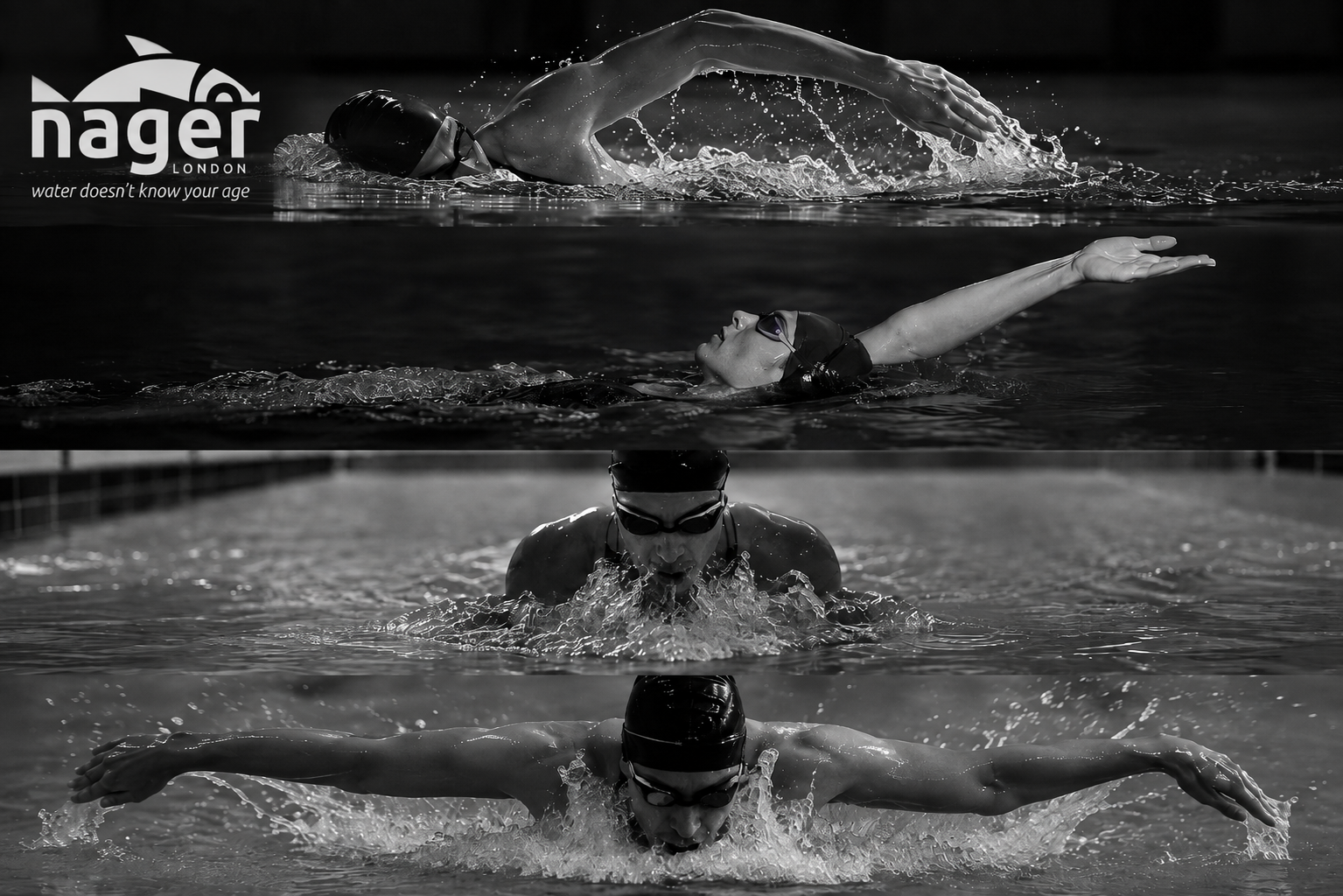
The Flow Form: 4 Strokes. 30 Days. Genuine Competence.
Front crawl. Backstroke. Breaststroke. Butterfly. Could you genuinely learn all four in 30 days? The answer may have less to do with age or ability and more to do with how you learn.
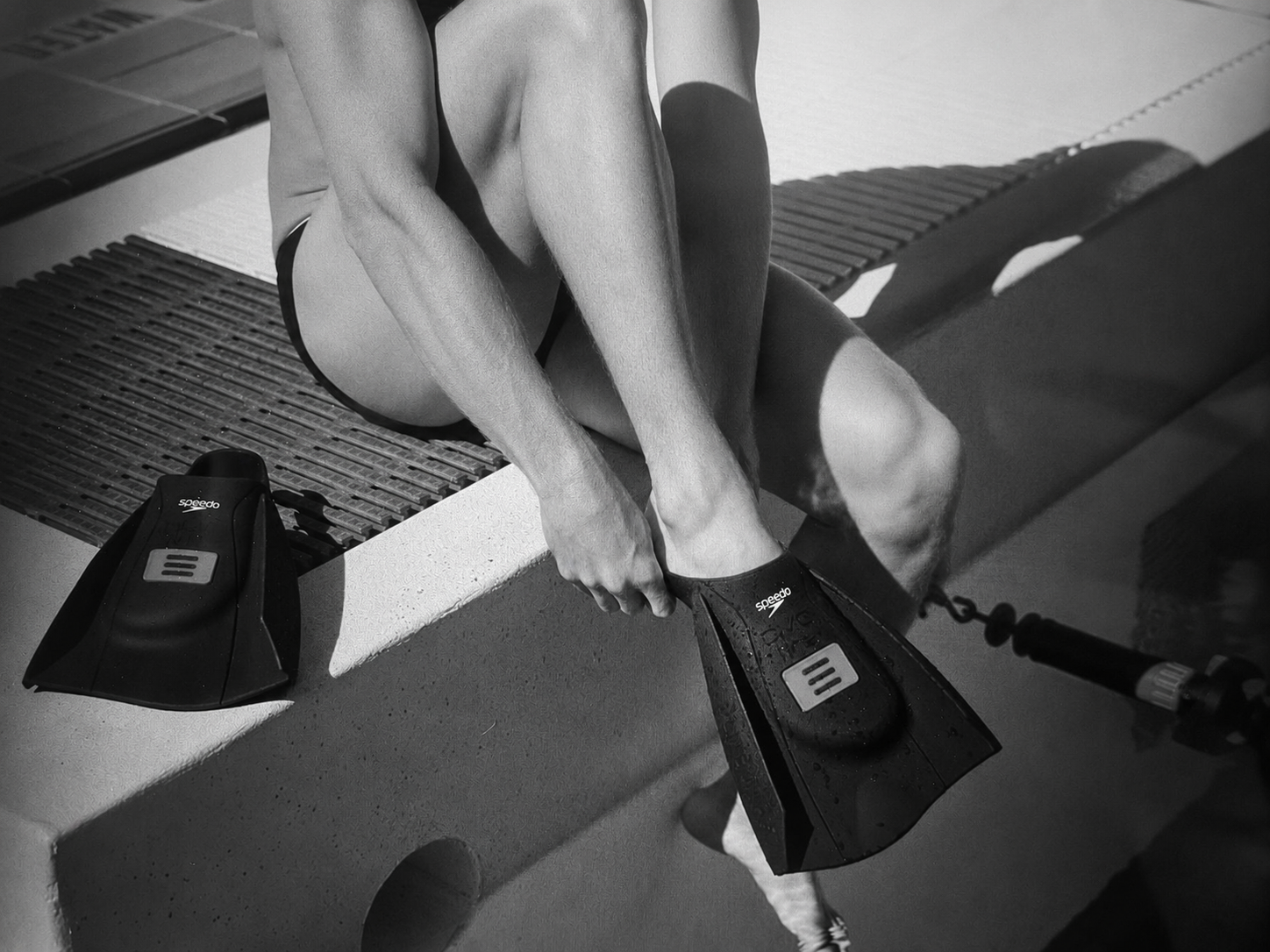
SPEEDO Fins, Through a Coaching Lens
Fins can change your speed, rhythm and relationship with the water, but their real value may lie in what they reveal about your kick, ankle mobility, body position and technique and what your body remembers once they come off. Using Speedo fins through a coaching lens, I explore what happens beyond the extra propulsion and what the equipment can actually teach the swimmer.

The Difference Between a Swimming Lesson and a Coaching Experience
Choosing the right swimming coach is about far more than technique. Discover why trust, communication and understanding are the foundations of an exceptional coaching experience.
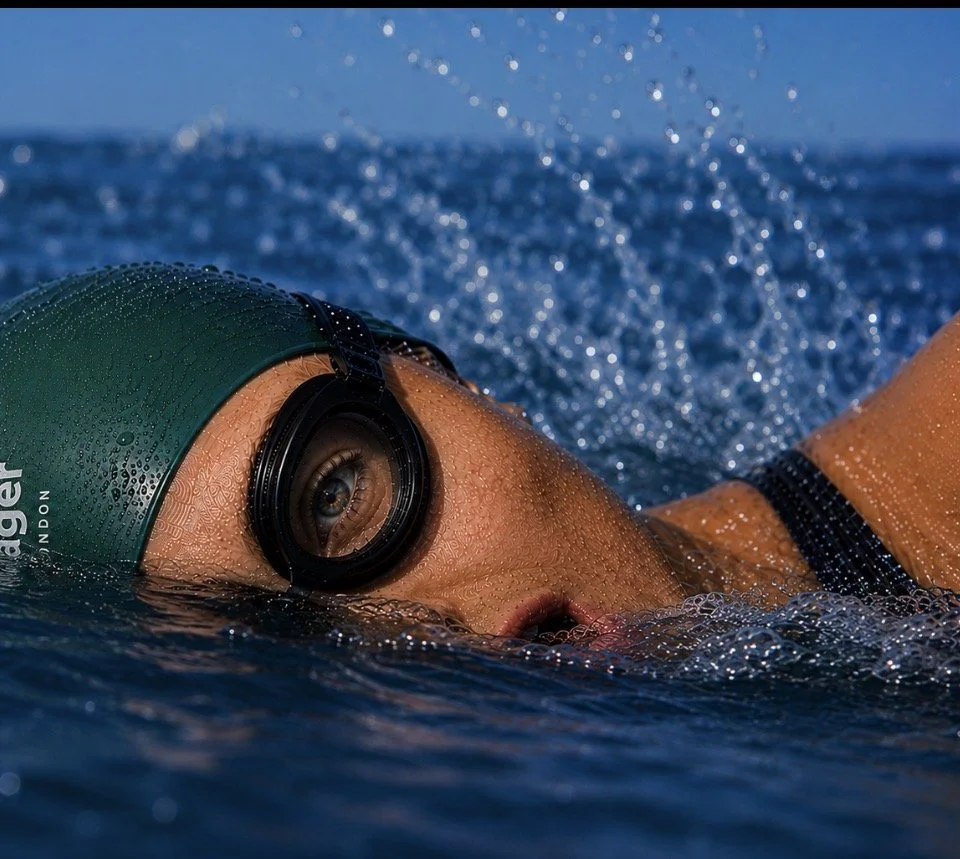
How to Breathe in Front Crawl Properly
Struggling to breathe in front crawl? You're not alone. Discover the two simple adjustments that help you breathe without lifting your head, maintain a streamlined body position and swim with greater ease and confidence.
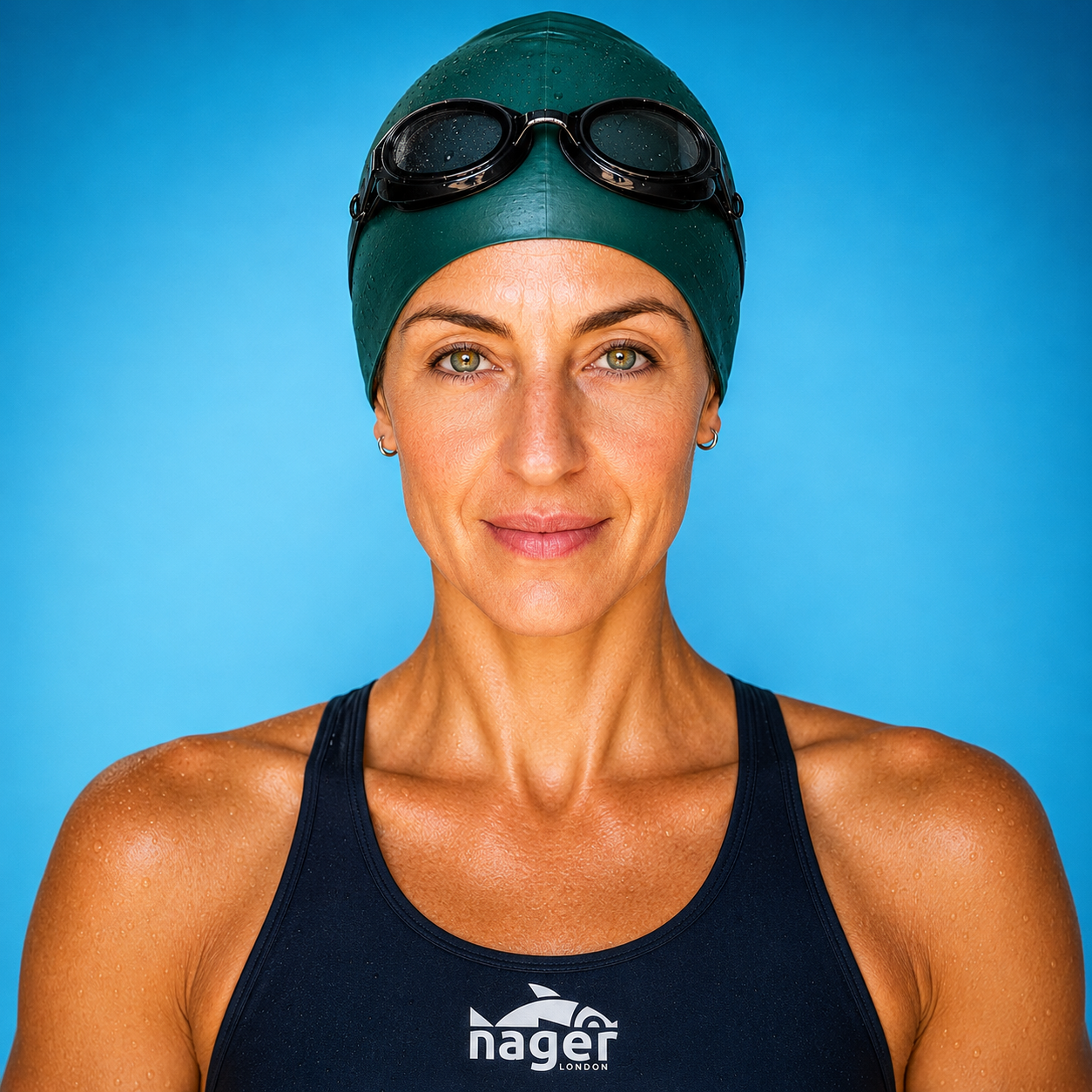
Why Front Crawl Breathing Feels So Difficult
Front crawl breathing isn't just about getting air. It's often the moment where balance, timing and movement are put to the test. Learn why breathing becomes easier when the foundations beneath it improve.
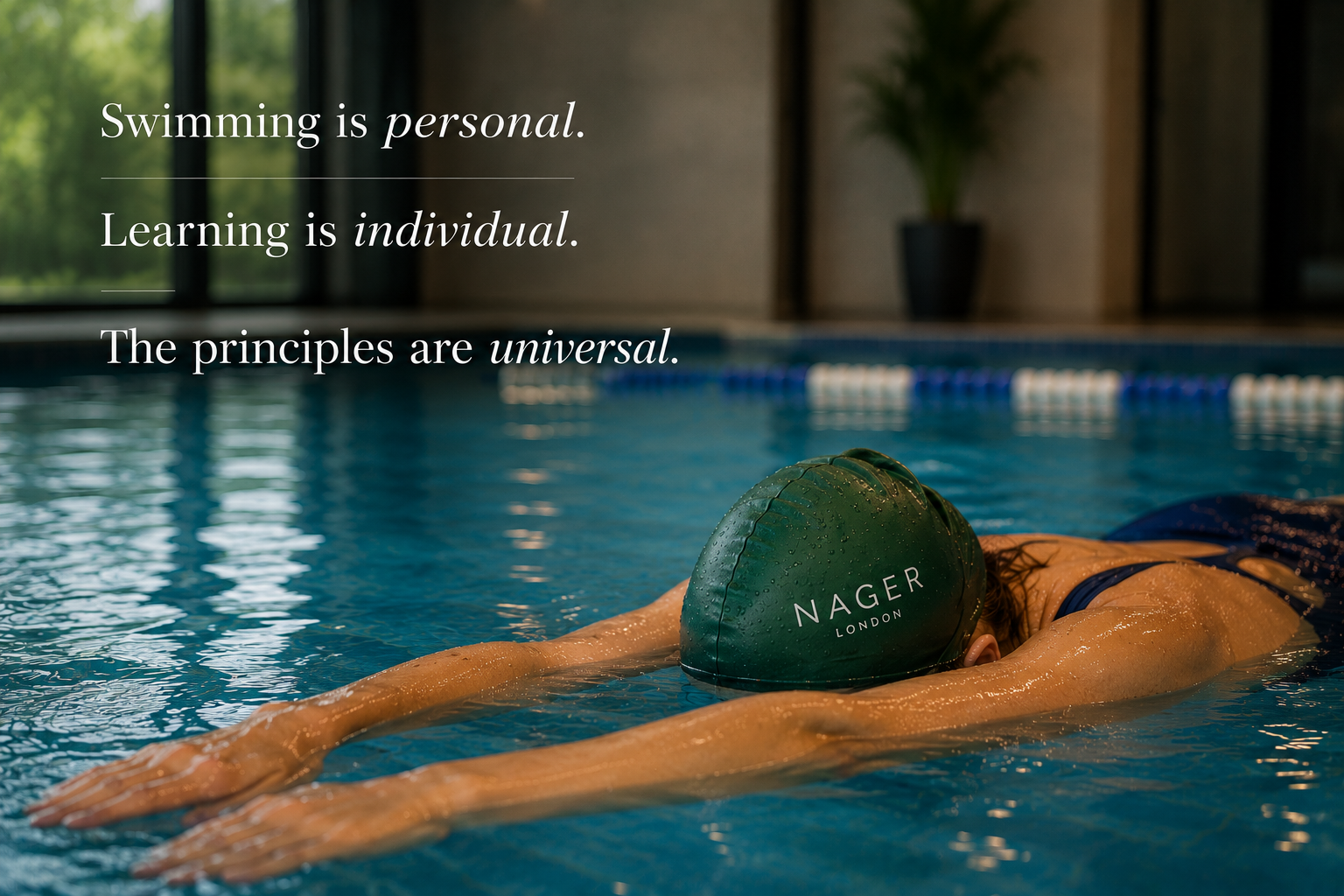
Why Swimming Is Not One-Size-Fits-All
People come to swimming with different goals, abilities and experiences. The learning may be individual, but the principles of good swimming remain universal.
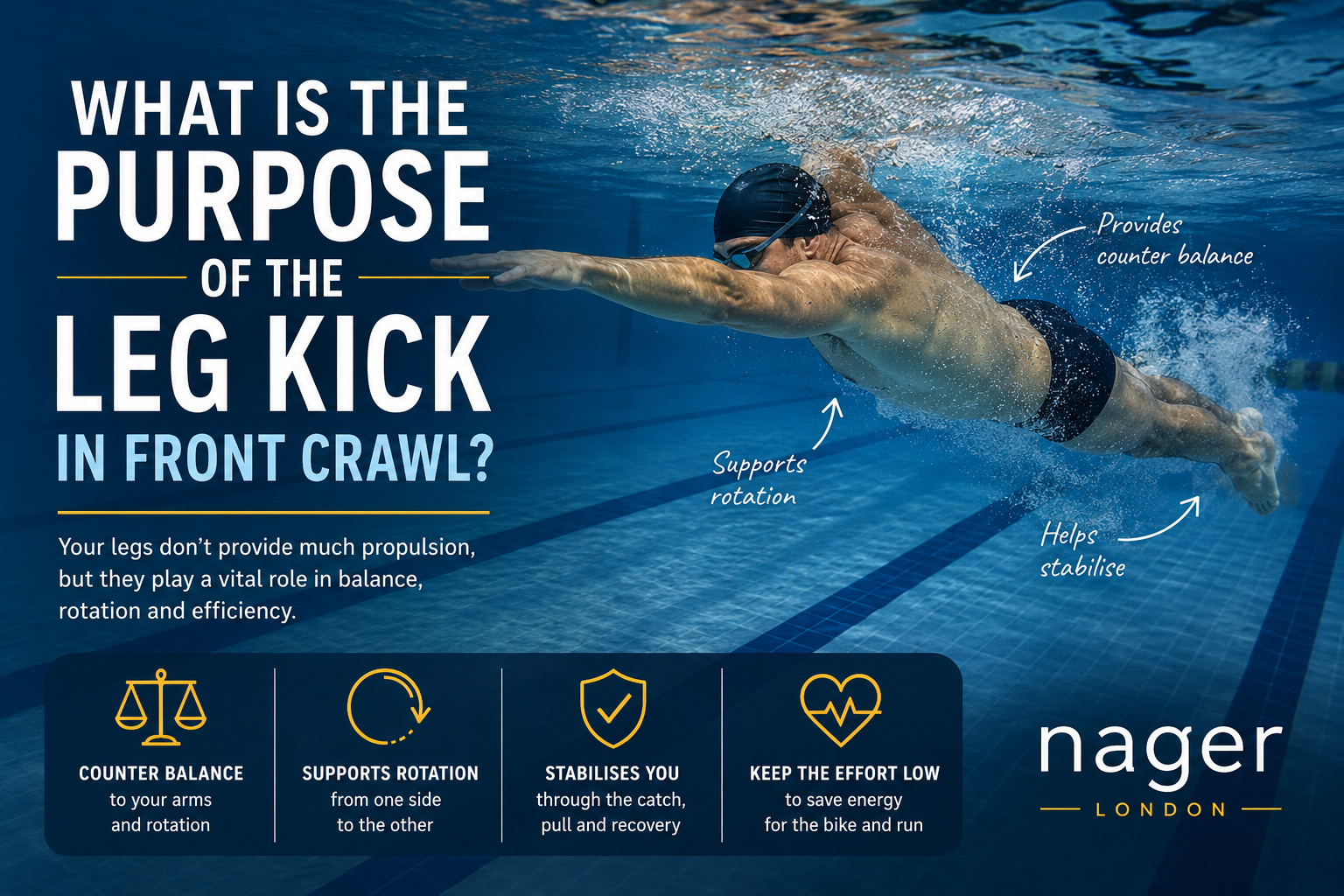
What Is the Purpose of the Leg Kick in Front Crawl?
One of the most common misconceptions in swimming is that the leg kick is there primarily to propel you forward. While the kick does contribute some propulsion, its role is often very different from what many swimmers expect.

Why Environment Matters More Than Many People Realise When Learning to Swim in London
At NAGER London, we often observe that meaningful swimming progression is influenced by far more than technique alone. Confidence, environment, consistency and the ability to feel physically and mentally at ease in the water all play an important role in how comfortably and efficiently a swimmer develops over time.

Why Swimming Feels Hard Even When You’re Already a Swimmer
There comes a point in many swimmers’ journeys where improvement begins to slow down. You are no longer a beginner, you can swim lengths and you understand the basics. And yet, the feeling remains: “ I don’t think I can get much better than this.”

When parents ask “What should my child learn first in swimming?”
Before learning swimming strokes, children should first develop water safety, breathing awareness, balance and confidence in water. These skills help children feel calm, supported and in control, making later stroke learning easier and more effective.

Why effective open water preparation often begins in the pool
Open water swimmers can train effectively in the pool by developing breathing control, body position, navigation skills, pacing and mental calm. Pool-based training helps swimmers prepare for open water conditions safely before entering natural environments.

New to Swimming : How to Feel Calm and Confident in Water
When someone is new to swimming, the main challenge is often not physical ability but nervous system response. Learning to recognise tension, slow the breath and stay oriented in water helps the body shift out of alert mode. As this sense of calm develops, confidence follows naturally and swimming begins to feel manageable rather than overwhelming.

New to Swimming
Many adults who are new to swimming experience fear or hesitation that is rarely discussed.

Can You Go Swimming on Your Period?
Can You Go Swimming on Your Period? What You Need to Know.
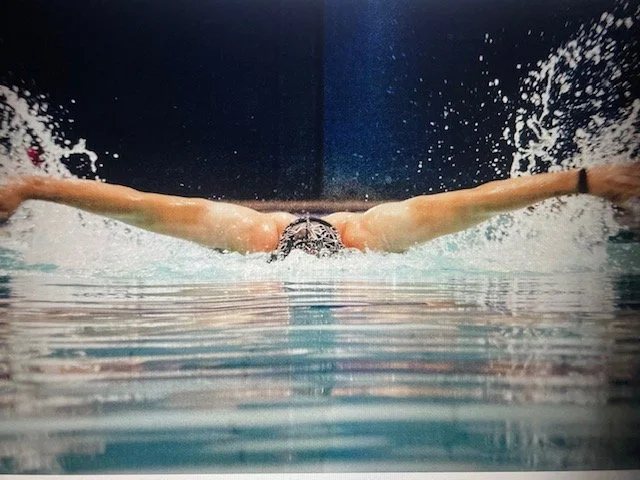
Discovering Flow in Butterfly Stroke
Butterfly Stroke: How Flow Improves Timing, Breathing and Efficiency

When can an infant go swimming?
When Can an Infant Go Swimming? Age, Readiness and Safety Explained
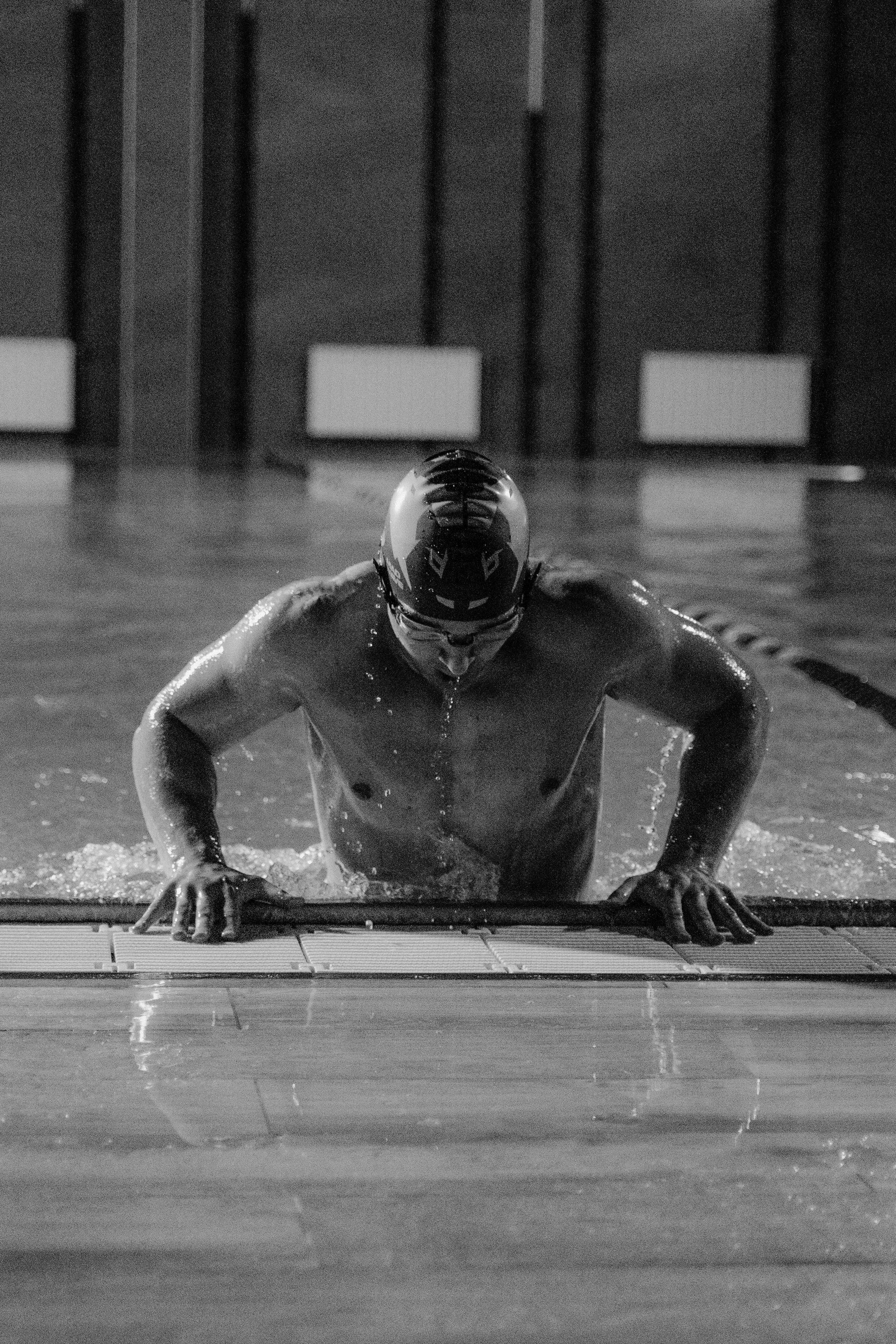
Can I build muscles by swimming?
Does Swimming Build Muscle? Strength, Resistance and Adaptation Explained


How to Swim Front Crawl (or Front Stroke) The Real Guide
How to Swim Front Crawl Properly: A Clear, Adult-Friendly Guide.