
Why Environment Matters More Than Many People Realise When Learning to Swim in London
Thoughtfully personalised swimming coaching
At NAGER London, we often observe that meaningful swimming progression is influenced by far more than technique alone. Confidence, environment, consistency and the ability to feel physically and mentally at ease in the water all play an important role in how comfortably and efficiently a swimmer develops over time.
In a city such as London, many swimmers learn within busy public settings, crowded lanes and fast-moving group structures. While this environment works well for some, others benefit significantly from a calmer and more personalised approach where technical understanding, body awareness and confidence can develop progressively without unnecessary pressure or overstimulation.
Many adult swimmers, particularly those returning to swimming later in life or learning front crawl for the first time, experience tension, overthinking or uncertainty within the water environment. In these situations, movement often becomes less efficient and more energy-consuming. As swimmers begin to feel calmer and more supported within the learning process, improvements in breathing rhythm, balance, streamline and overall movement efficiency often begin to develop more naturally.
At NAGER London, technical progression is approached through careful refinement of movement quality rather than simply increasing physical effort. Sessions frequently focus on stroke smoothness, breathing control, coordination, understanding water resistance and developing a more sustainable relationship with the water itself. Small technical adjustments, combined with consistency and trust within the process, often lead to more meaningful long-term progress than intensity alone.
This principle applies equally to children and competitive swimmers. Many young swimmers benefit from occasional one-to-one technical refinement alongside club training, particularly when focusing on front crawl efficiency, butterfly coordination, streamline, rhythm and overall stroke awareness. Long-term swimming development relies not only on physical ability, but also on coachability, movement understanding and confidence within the learning environment.
For triathlon and open water swimmers, efficiency and consistency within the stroke become increasingly important over longer distances. Sustainable front crawl is rarely built through effort alone. Breathing rhythm, relaxation, glide efficiency and reducing unnecessary resistance in the water often become essential components of successful endurance swimming. Structured technical progression and continuity between sessions frequently support stronger long-term outcomes than intensity without refinement.
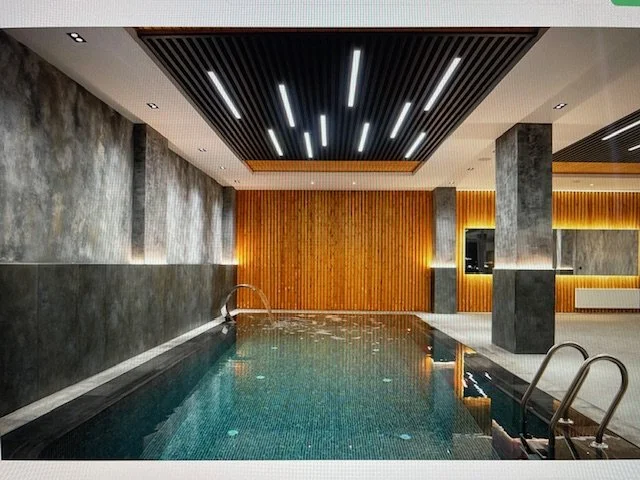
Across London, sessions may take place within public pools, residential developments, hotel pools or more private environments depending on individual circumstances and access arrangements. Increasingly, many swimmers and families seek a more personalised and technically focused approach that can fit around professional schedules, family life and long-term swimming goals while maintaining discretion, flexibility and high-quality coaching standards.
Swimming development is rarely a one-size-fits-all process. Technical understanding, confidence, environment and consistency work together to shape how effectively a swimmer progresses over time. Whether supporting fearful beginners, refining front crawl technique, developing young swimmers or preparing for open water challenges, meaningful progression is often achieved when technical coaching is combined with patience, trust and an environment that allows swimmers to feel genuinely comfortable in the water.
At its core, swimming is not only about learning strokes. It is about learning how to move with greater ease, confidence and understanding within the water and creating the right environment for that process to unfold naturally.